ACL reconstruction is a common orthopedic surgery used to treat a torn anterior cruciate ligament (ACL), one of the main ligaments responsible for knee stability. ACL injuries often occur during sports or physical activities that involve sudden twisting, jumping, or rapid changes in direction, such as football, basketball, and running.
The ACL reconstruction procedure involves replacing the damaged ligament with a healthy tissue graft, usually taken from the patient’s hamstring, patellar tendon, or a donor graft. The surgery is typically performed using minimally invasive arthroscopic techniques, which help reduce pain, scarring, and recovery time.
Recovery after ACL reconstruction requires a structured rehabilitation program. Physical therapy plays a vital role in restoring knee strength, flexibility, and range of motion. Most patients can return to daily activities within a few weeks, while full return to sports may take 6 to 9 months, depending on healing and rehabilitation progress.
ACL reconstruction surgery helps reduce knee pain, restore joint stability, prevent further injury, and improve overall knee function, allowing patients to return to an active and healthy lifestyle.
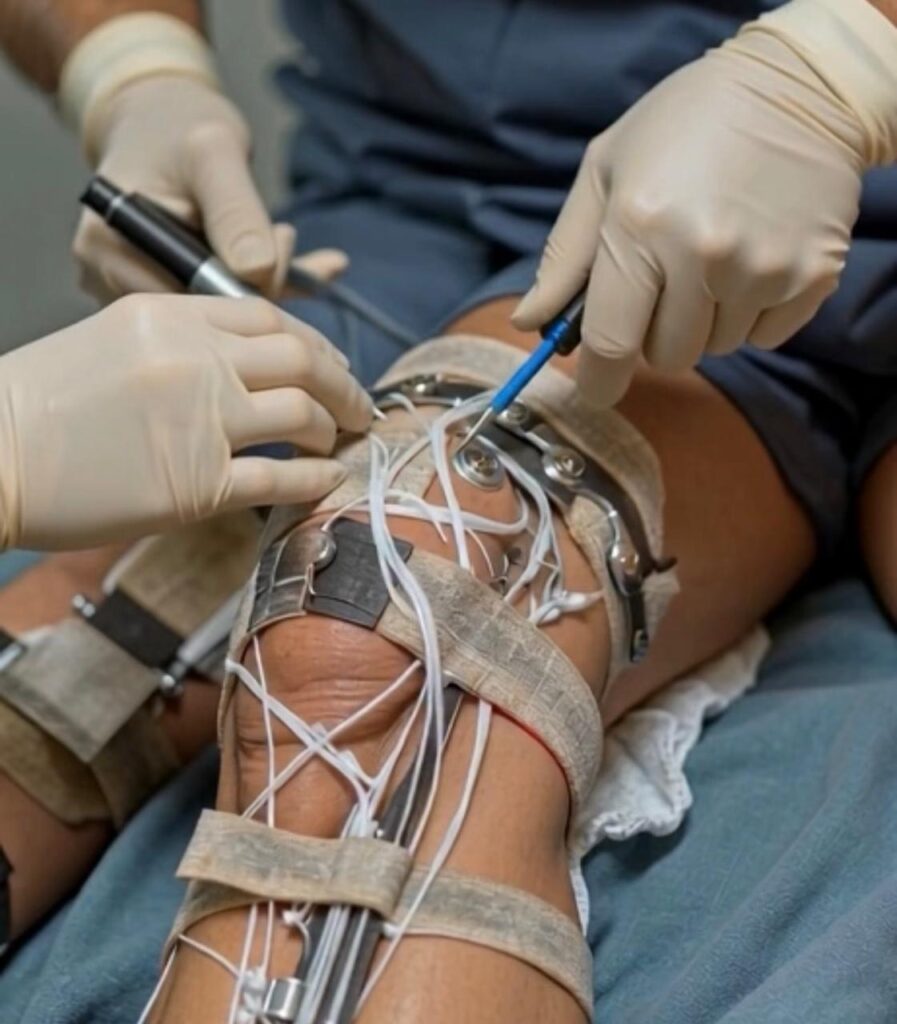
Understanding ACL Reconstruction
ACL reconstruction is a surgical treatment designed to restore stability to the knee after a tear of the anterior cruciate ligament. This ligament is essential for controlling knee movement and preventing excessive forward motion of the tibia.
Common Causes of ACL Tears
ACL injuries usually occur during sudden changes in direction, rapid deceleration, awkward landings, or direct trauma to the knee. Athletes involved in high-impact or pivoting sports are at greater risk.
How ACL Reconstruction Is Performed
The procedure involves removing the damaged ligament and replacing it with a strong tissue graft. The graft may be taken from the patient’s own tendons or from a donor. Modern arthroscopic techniques allow the surgery to be minimally invasive, reducing discomfort and recovery time.
Post-Surgery Recovery Process
Recovery after ACL reconstruction requires patience and consistency. Initial healing focuses on reducing swelling and regaining basic knee movement, followed by gradual strengthening and balance training.
Role of Rehabilitation and Physiotherapy
A structured rehabilitation program is critical for successful outcomes. Physiotherapy helps restore muscle strength, joint flexibility, and coordination, enabling a safe return to normal activities and sports.
Benefits of ACL Reconstruction Surgery
This surgery improves knee stability, reduces the risk of future injuries, enhances joint function, and supports long-term knee health, especially for active individuals.
When Medical Advice Is Needed
Persistent knee pain, instability, or difficulty with movement after an injury should be evaluated by an orthopedic specialist to determine the best treatment approach.
