Ankle injuries are among the most common musculoskeletal problems, not only affecting athletes and active individuals but also impacting people performing everyday activities. In fact, whether they are caused by sports, accidental falls, or sudden twists, ankle injuries can range from mild sprains to severe fractures. Therefore, understanding the causes, symptoms, treatment options, and prevention strategies is essential, as it can help you recover faster and avoid long-term complications. Moreover, early recognition and proper care play a key role in ensuring a complete recovery and reducing the risk of re-injury.
In this comprehensive guide, we’ll explore everything you need to know about ankle injuries.

What Are Ankle Injuries?
An ankle injury happens when the ligaments, tendons, muscles, or bones around the ankle get damaged. In other words, the ankle joint connects the foot to the leg. Therefore, it is very important for walking, running, and keeping balance. As a result, any injury can make moving around painful or difficult.
Ankle injuries can be mild or severe. For example, a sprain stretches the ligaments. However, a fracture can break one or more bones. In addition, tendon injuries or dislocations can make recovery harder.
Knowing the type of ankle injury is important. Thus, you can get the right treatment early. Consequently, proper care can prevent long-term problems and help you get back to normal activities faster.
The most common types of ankle injuries include:
- Ankle sprains
- Ankle strains
- Fractures
- Tendon injuries
- Dislocations
Common Causes of Ankle Injuries
Ankle injuries can happen to anyone, but certain activities increase the risk. Below are the most frequent causes:
1. Sports Activities
High-impact sports such as basketball, soccer, football, and tennis often involve jumping, quick direction changes, and uneven landings, increasing the likelihood of ankle sprains.
2. Slips and Falls
For instance, walking on uneven surfaces, wet floors, or rocky terrain can make the ankle twist in an unnatural way. As a result, this sudden movement may lead to a sprain or even a fracture. In addition, losing balance during a slip or fall increases the risk of further injury to the surrounding muscles and ligaments.
3. Poor Footwear
Wearing high heels, unsupportive shoes, or worn-out sneakers can compromise ankle stability.
4. Sudden Twisting Movements
A simple misstep while walking or running can overstretch or tear ankle ligaments.
5. Previous Ankle Injury
A prior injury weakens the joint and makes it more prone to re-injury.
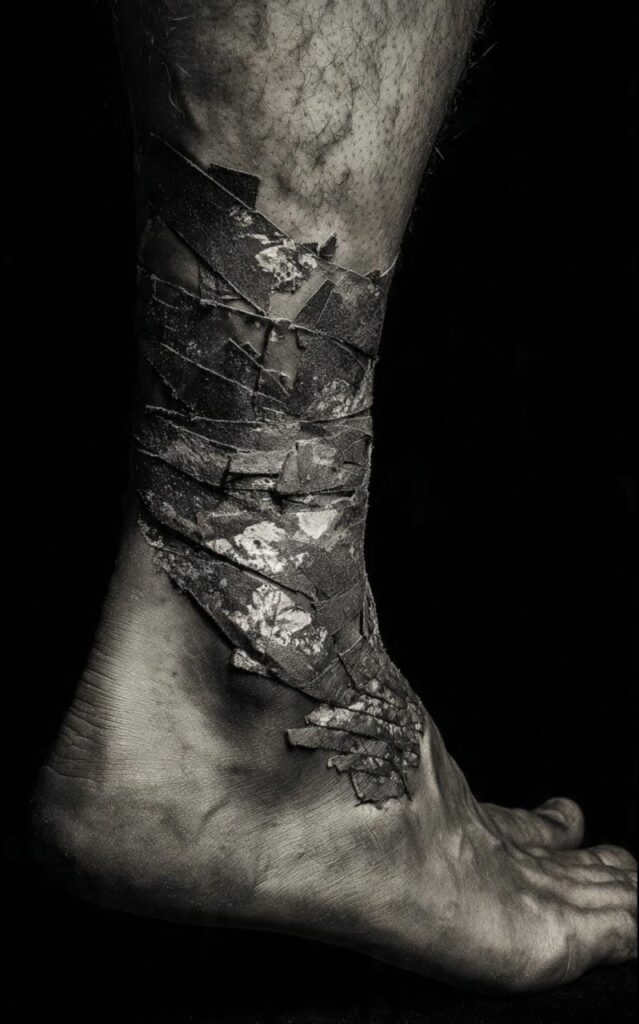
Types of Ankle Injuries
1. Ankle Sprain
A sprain occurs when the ligaments that support the ankle stretch or tear. This is the most common ankle injury.
Grades of ankle sprain:
- Grade I: Mild stretching
- Grade II: Partial tear
- Grade III: Complete tear
2. Ankle Strain
A strain affects muscles or tendons rather than ligaments. It usually results from overuse or overstretching.
3. Ankle Fracture
A fracture involves a break in one or more ankle bones. Severe pain, swelling, and inability to bear weight are common signs.
4. Achilles Tendon Injury
The Achilles tendon connects the calf muscles to the heel bone. Overuse or sudden force can cause tears or inflammation.
Symptoms of Ankle Injuries
Symptoms vary depending on the severity of the injury but often include:
- Pain around the ankle
- Swelling
- Bruising
- Limited range of motion
- Instability when standing
- Tenderness to touch
- Difficulty walking
Severe injuries may cause deformity or intense pain requiring immediate medical attention.
How Are Injuries Diagnosed?
A healthcare professional typically diagnoses ankle injuries through:
- Physical examination
- Medical history review
- X-rays (to detect fractures)
- MRI scans (for ligament or tendon damage)
Early diagnosis ensures proper treatment and prevents long-term damage.
Physical Examination
During the physical examination of an ankle injury, the healthcare provider carefully observes the affected area for swelling, bruising, redness, deformity, or visible misalignment. The ankle is gently palpated to identify tender spots along the bones, ligaments, and tendons, helping determine the precise source of pain. The clinician then evaluates the range of motion by guiding the patient to move the ankle in different directions to assess flexibility and discomfort.
X-Ray
X-rays clearly show bone damage, they do not provide detailed images of soft tissues such as ligaments, tendons, or cartilage. If soft tissue injury is suspected despite normal X-ray results, additional imaging studies like an MRI or ultrasound may be recommended. Overall, X-rays play a crucial role in confirming the diagnosis and guiding appropriate treatment planning for ankle injuries.
MRI Scans
Magnetic Resonance Imaging (MRI) is a valuable diagnostic tool for assessing ankle injuries, especially when soft tissue damage is suspected. Unlike X-rays, which primarily reveal bone fractures, MRI provides clear and detailed images of ligaments, tendons, cartilage, and muscles around the ankle joint. It is particularly useful for detecting severe sprains, ligament tears, tendon injuries, or chronic ankle instability that may not be visible on standard X-rays. MRI is a non-invasive procedure that does not use harmful radiation, making it safe for repeated use if needed.
Rest: Avoid putting weight on the ankle.
1.R.I.C.E. Method (For Mild Injuries)
- Rest: Avoid putting weight on the ankle.
- Ice: Apply ice packs for 15–20 minutes every few hours.
- Compression: Use an elastic bandage to reduce swelling.
- Elevation: Keep the ankle raised above heart level.
2. Medication
In addition, over-the-counter pain relievers like ibuprofen can relieve pain while reducing swelling.
3.Physical Therapy
Rehabilitation exercises im
prove strength, flexibility, and balance, reducing the risk of future injuries.
4.Bracing and Splinting
An ankle brace provides stability during recovery.
5. Surgery
Severe ligament tears or fractures may require surgical intervention.

Recovery Time for Ankle Injuries
Recovery varies depending on injury severity:
- Mild sprain: 1–3 weeks
- Moderate sprain: 3–6 weeks
- Severe sprain or fracture: 8–12 weeks or longer
Proper rehabilitation is essential to prevent chronic ankle instability.
How to Prevent Injuries
Prevention strategies can significantly reduce your risk:
- Wear Supportive Foot Wear
Choose shoes that provide ankle support and proper cushioning.
2. Warm Up Before Exercise
Stretching and warming up prepare your muscles and ligaments for activity.
3. Strengthen Ankle Muscles
Balance training and strengthening exercises improve stability.
4. Avoid Uneven Surfaces
Be cautious when walking or running on rough terrain.
5. Use Ankle Braces if Necessary
Athletes with previous injuries may benefit from additional support.
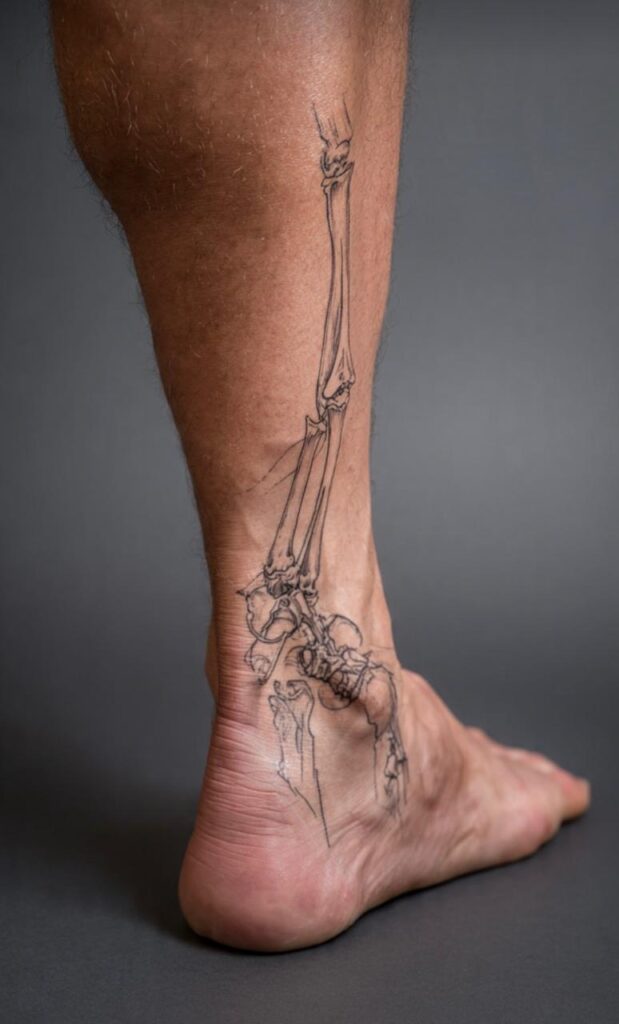
When to See a Doctor
Seek medical attention if you experience:
- Severe pain
- Inability to bear weight
- Visible deformity
- Persistent swelling after several days
- Numbness or tingling
Ignoring serious ankle injuries can lead to chronic pain and mobility issues.
Frequently Asked Questions (FAQs)
1. Can I walk on a sprained ankle?
It depends on the severity. Mild sprains may allow limited walking, but severe sprains require rest and medical evaluation.
2. How long does swelling last after an ankle injury?
Swelling usually decreases within a few days but may persist for weeks in moderate to severe injuries.
3. Should I use heat or ice for ankle injuries?
Ice is recommended during the first 48 hours to reduce swelling. Heat can be used later to relax stiff muscles.
Final Thoughts
Ankle injuries are common but manageable with proper care and timely treatment. Whether you’re an athlete or simply going about your daily routine, taking preventive measures and responding quickly to symptoms can help ensure a full recovery.
If you experience persistent pain or instability, consult a healthcare professional for proper diagnosis and treatment. Prioritizing ankle health today can prevent long-term complications tomorrow.
