Dry needling and acupuncture both use thin needles, but they serve different purposes. Learn the differences, benefits, safety, and which treatment is right for you.
Dry needling, acupuncture, dry needling vs acupuncture, muscle pain treatment, trigger point therapy, acupuncture benefits
Introduction of Dry Needling & Acupuncture
Dry needling and acupuncture are often confused because both involve inserting thin needles into the body. However, these two techniques are based on very different philosophies, training standards, and treatment goals. Understanding the difference can help you choose the right therapy for pain relief, mobility, and overall wellness.
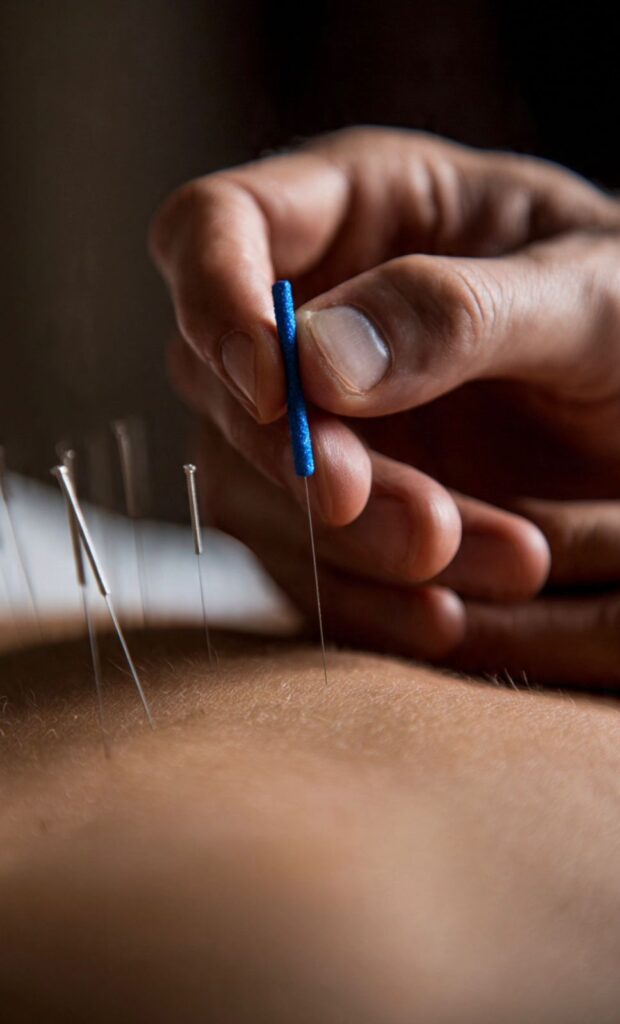
In this guide, we’ll break down dry needling vs acupuncture, explore their benefits, and explain what you can expect from each treatment.
What Is Dry Needling?
Dry needling is a modern, evidence-based treatment used primarily by physical therapists and other licensed healthcare professionals. It focuses on relieving muscle pain and movement dysfunction by targeting trigger points—tight bands of muscle that can cause pain locally or in referred areas.
How Dry Needling Works
- Thin, sterile needles are inserted directly into muscle trigger points
- The goal is to release tension, improve blood flow, and restore normal muscle function
- No medication or injection is used—hence the term “dry”
Conditions Commonly Treated with Dry Needling
- Neck and back pain
- Sports injuries
- Muscle stiffness and spasms
- Shoulder, hip, and knee pain
- Postural and movement-related dysfunction
What Is Acupuncture?
Acupuncture is a traditional Chinese medicine (TCM) practice that has been used for thousands of years. It aims to restore balance in the body by regulating the flow of energy, known as Qi (chi), through specific pathways called meridians.
How Acupuncture Works
- Needles are placed at precise points along meridians
- The treatment stimulates the nervous system and promotes natural healing
- Sessions often address both physical and emotional well-being
Conditions Commonly Treated with Acupuncture
- Chronic pain
- Headaches and migraines
- Stress and anxiety
- Digestive issues
- Sleep disorders
- Hormonal imbalances
Dry Needling vs Acupuncture: Key Differences
| Aspect | Dry Needling | Acupuncture |
|---|---|---|
| Origin | Western medicine | Traditional Chinese medicine |
| Focus | Muscles and trigger points | Energy flow (Qi) and meridians |
| Practitioners | Physical therapists, medical professionals | Licensed acupuncturists |
| Main Goal | Pain relief and improved movement | Whole-body balance and wellness |
| Treatment Style | Targeted and clinical | Holistic and systemic |
Benefits of Dry Needling
- Rapid relief from muscle tightness
- Improved range of motion
- Reduced inflammation
- Enhanced athletic performance
- Complements physical therapy programs
Benefits of Acupuncture
- Promotes relaxation and stress reduction
- Supports chronic pain management
- Improves sleep quality
- Enhances overall energy and well-being
- May support immune and hormonal health
Is Dry Needling or Acupuncture Right for You?
The right choice depends on your goals:
- Choose dry needling if you’re dealing with muscle pain, sports injuries, or movement limitations
- Choose acupuncture if you’re seeking holistic care, stress relief, or long-term wellness support
In some cases, patients benefit from both treatments as part of an integrated care plan.
Safety and What to Expect
Both dry needling and acupuncture are considered safe when performed by trained, licensed professionals using sterile needles. Mild soreness, fatigue, or temporary discomfort may occur, but serious side effects are rare.
Always consult a qualified provider who can evaluate your condition and recommend the most appropriate treatment.
Frequently Asked Questions
Is dry needling painful?
Most patients feel minimal discomfort. Some experience a brief muscle twitch or soreness that resolves quickly.
How many sessions are needed?
This varies depending on the condition. Some people notice improvement after one session, while others need multiple treatments.
Are the needles the same?
Yes, both techniques use very thin, single-use needles, but they are applied differently.
Final Thoughts
While dry needling and acupuncture may look similar, their purpose, philosophy, and application are distinctly different. Understanding these differences empowers you to make informed decisions about your health and pain management options.
Whether you’re recovering from injury or seeking holistic wellness, both therapies offer powerful, natural solutions when performed by qualified professionals.
Call to Action
Looking for expert guidance on dry needling or acupuncture? Contact a licensed professional today to discover which treatment can help you move better, feel stronger, and live pain-free.
